
Prostate Cancer Detection and Prognosis. This is a cancer that affects the prostate, a small, walnut-shaped gland in the male reproductive system.
It is the second most common type of cancer among men, behind skin cancer. Prostate cancer usually grows slowly and may not cause any symptoms for years.
Symptoms of prostate cancer include difficulty urinating, pain or burning during urination, blood in the urine or semen, and pain in the back, hips, or pelvis.
Prostate cancer is usually diagnosed through a combination of a digital rectal exam, a blood test for prostate-specific antigen (PSA), and a biopsy of the prostate.
Treatment for prostate cancer may include surgery, radiation therapy, hormone therapy, chemotherapy, or a combination of these.
Prostate cancer can be a severe disease, but early diagnosis and treatment can often lead to successful outcomes.
Prostate Cancer Detection
Prostate cancer can be detected with a variety of tests. Standard tests include a digital rectal exam, a prostate-specific antigen (PSA) test, and a prostate biopsy.
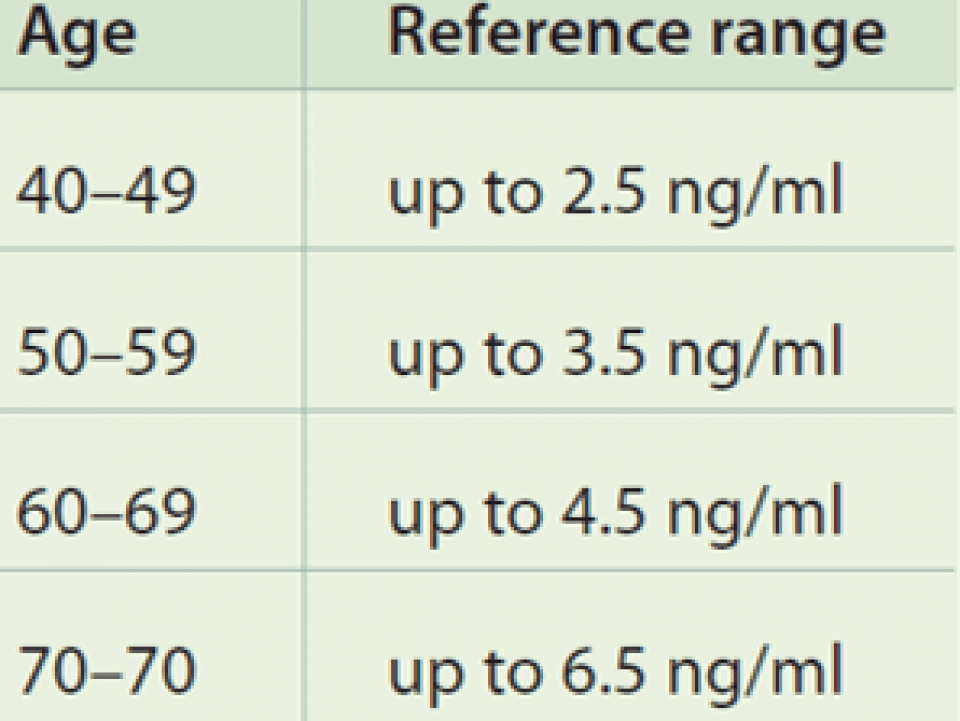
A digital rectal exam is a physical exam in which a doctor will feel the prostate for any abnormalities. The PSA test is a blood test that measures the level of PSA, a protein produced by the prostate.
A high level of PSA may indicate prostate cancer. Finally, a prostate biopsy involves taking a sample of tissue from the prostate to check for cancerous cells.
Prostate Cancer Prognosis
The prognosis of prostate cancer depends on a variety of factors, such as the stage and grade of the tumour, the patient’s age and overall health, and the type of treatment chosen.
Generally, the earlier the cancer is detected and treated, the better the prognosis.
In some cases, prostate cancer can be cured. If the cancer is caught early, before it has spread beyond the prostate, surgery or radiation therapy may be all that is needed to remove the tumour.
If cancer has spread beyond the prostate, the prognosis is less favourable but still depends on many factors. In some cases, hormone therapy, chemotherapy, or other treatments may be used.
The outlook for prostate cancer patients varies widely. Some people may live for years after being diagnosed, while others may die within a few months.
The American Cancer Society estimates that the 5-year survival rate for men diagnosed with prostate cancer is 99%. The 10-year survival rate is 96%.
Stage 4 Prostate Cancer
Stage 4 prostate cancer is classified as metastatic cancer. This means that the cancer has spread from the prostate to other parts of the body.
Common sites of metastasis include the bones, lymph nodes, and other organs. Treatment options for stage 4 prostate cancer include hormone therapy, radiation therapy, chemotherapy, immunotherapy, and targeted therapy.
Surgery is usually not recommended for metastatic prostate cancer. The goal of treatment for stage 4 prostate cancer is to slow the growth of the tumour and to reduce symptoms.